The Rise of Entrepreneurship Education in U.S. Admissions
- Wonji Kim
- May 13
- 1 min read

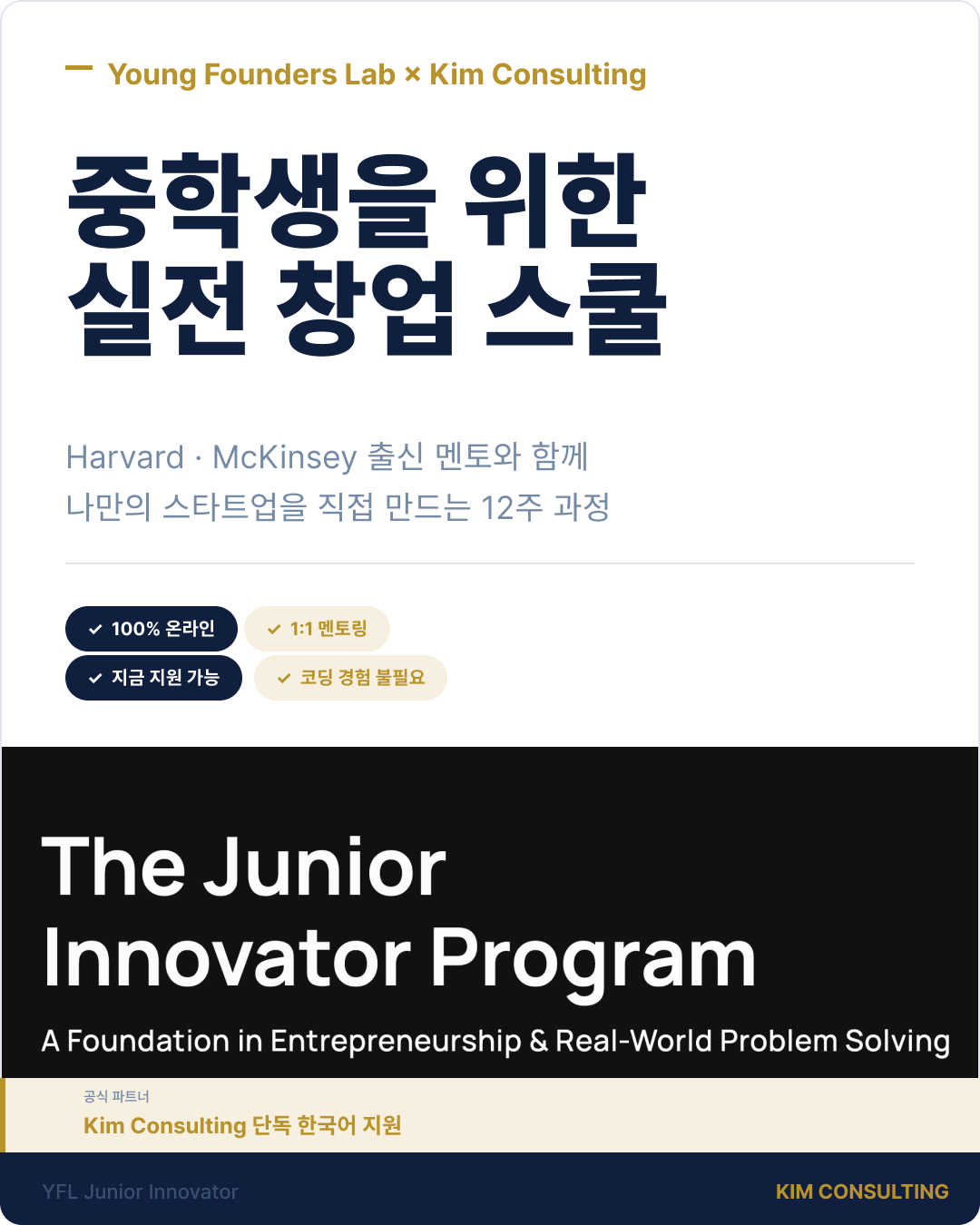

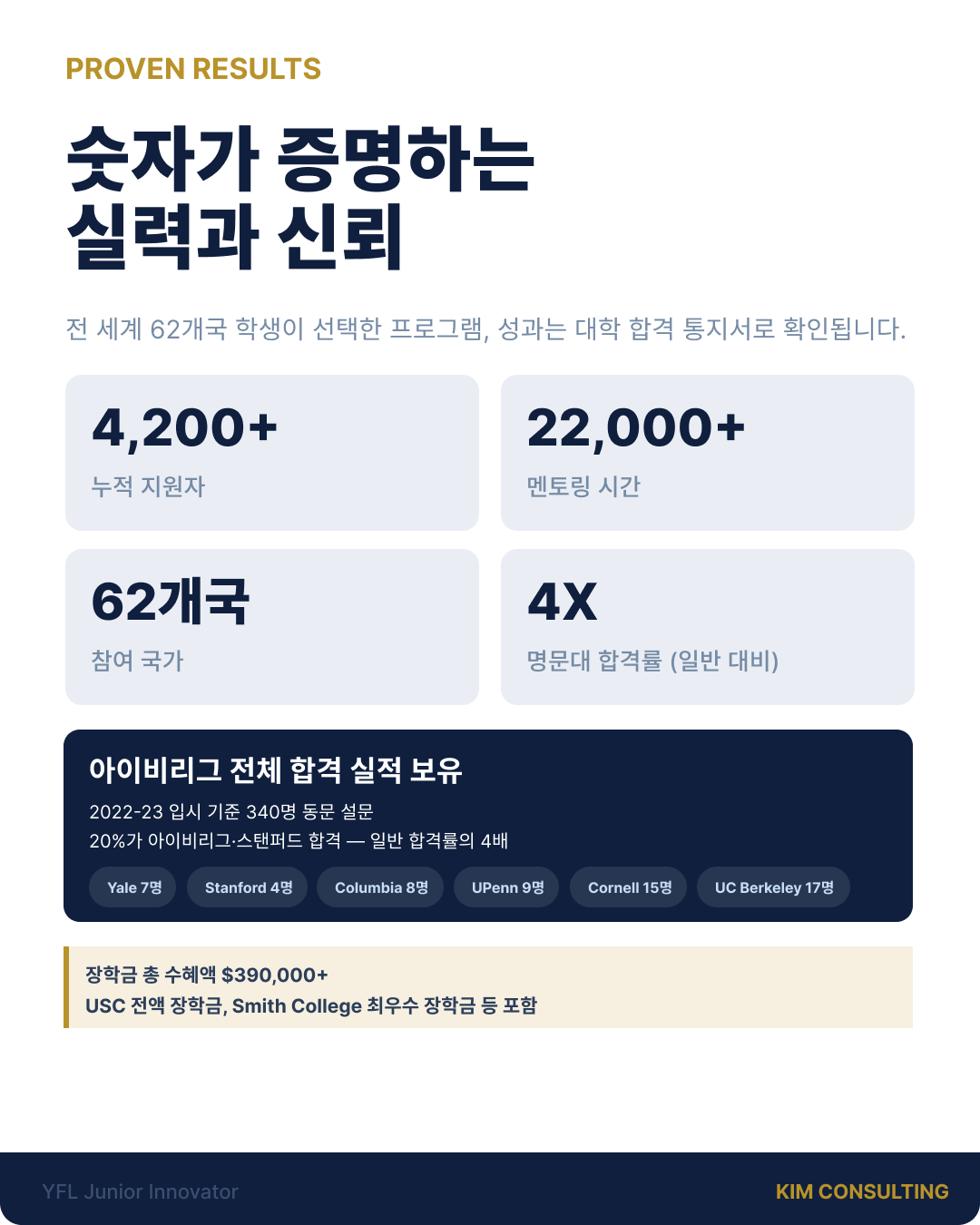



In recent years, entrepreneurship education has become increasingly visible in the world of U.S. college admissions and student development.
While startup education was once associated mostly with MBA students or university incubators, a growing number of innovation-focused programs are now targeting middle school and high school students as well.
Programs such as the YFL (Young Founders Lab) Junior Innovator Program reflect this broader trend toward experiential and project-based learning.
According to publicly available program information, the structure appears to go beyond a traditional lecture-style summer camp. Students are introduced to parts of the real startup-building process, including:
Problem Identification
Market Research
MVP (Minimum Viable Product) Development
Customer Interviews
Pitch Presentations
What makes these programs interesting is that the emphasis is often not on “starting a successful company,” but rather on developing transferable skills such as:
Leadership
Initiative
Communication
Execution
Problem Solving
This aligns with broader changes in U.S. admissions culture. Increasingly, selective universities appear to place value not only on the number of activities a student completes, but also on whether the student has demonstrated genuine initiative, creativity, and the ability to build something independently.
Startup and innovation programs also tend to produce tangible outcomes, such as:
MVPs
Pitch Decks
Demo Day Presentations
Project Portfolios
These artifacts can become part of a student’s long-term academic or extracurricular narrative.
More broadly, entrepreneurship education in the U.S. is often viewed not simply as business training, but as a form of experiential learning and future leadership development.
As project-based learning continues to expand globally, programs focused on innovation and problem-solving are likely to remain an increasingly visible part of the educational landscape.


Comments